
01 / 09
Radineer / Services
AI Fine-Tuning Support
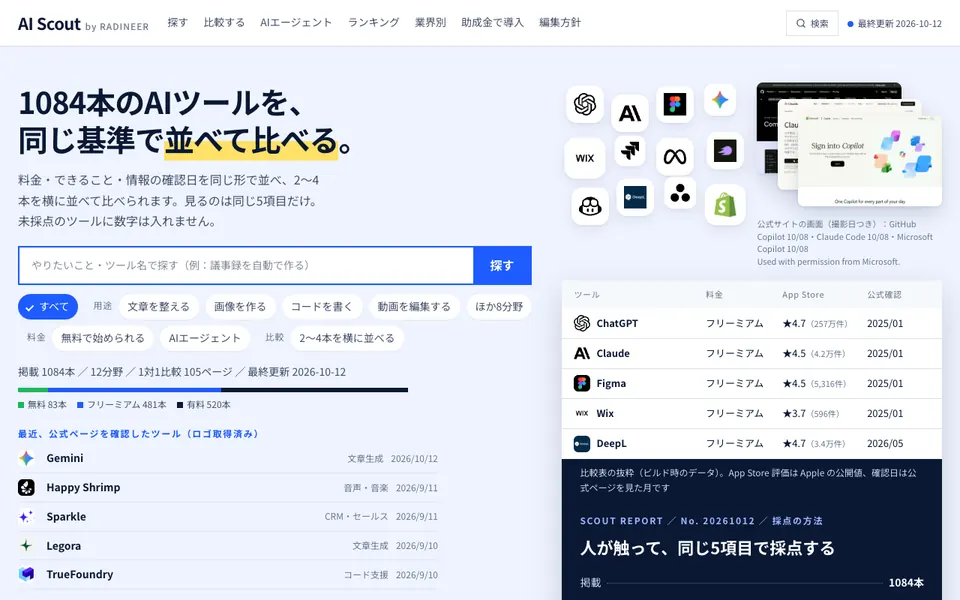
Customize AI models with your company data. Fine-tuning builds industry and task-specific AI models that achieve accuracy impossible with general-purpose AI.
 View larger image
Inquire about AI Fine-Tuning Support
02 / 09
Choose the scope you need.
Data Preparation & Cleansing
Model Selection & Training
Evaluation & Tuning
 View larger image
03 / 09
How we work.
- 1
Requirements & Data Assessment
- We interview you about business requirements and assess available data volume and quality. We propose the optimal fine-tuning approach and model.
- 2
Data Preparation & Preprocessing
- We collect, cleanse, and annotate training data. We build high-quality datasets to maximize training success rates.
- 3
Model Training & Evaluation
- We fine-tune the base model and evaluate accuracy, speed, and safety from multiple angles. Parameters are readjusted as needed.
- 4
Deployment & Continuous Improvement
- We deploy to production and establish operational frameworks. Through monitoring and periodic retraining, we continuously maintain and improve model accuracy.
04 / 09
The support you need, one piece at a time.
Scope
- Data Preparation & Cleansing
- Model Selection & Training
- Evaluation & Tuning
- Deployment & Operations
- 01
Data Preparation & Cleansing
- 02
Model Selection & Training
- 03
Evaluation & Tuning
- 04
Deployment & Operations
05 / 09
What we actually do.
- 01
We collect, organize, and preprocess the data needed for training. Since data quality directly determines model accuracy, our specialist team performs thorough cleansing.
- 02
We select the optimal base model for your business requirements and perform fine-tuning with prepared data. We handle everything from GPU infrastructure setup to hyperparameter optimization.
- 03
We evaluate fine-tuned models from multiple angles. We verify accuracy, speed, and safety, and readjust parameters as needed.
06 / 09
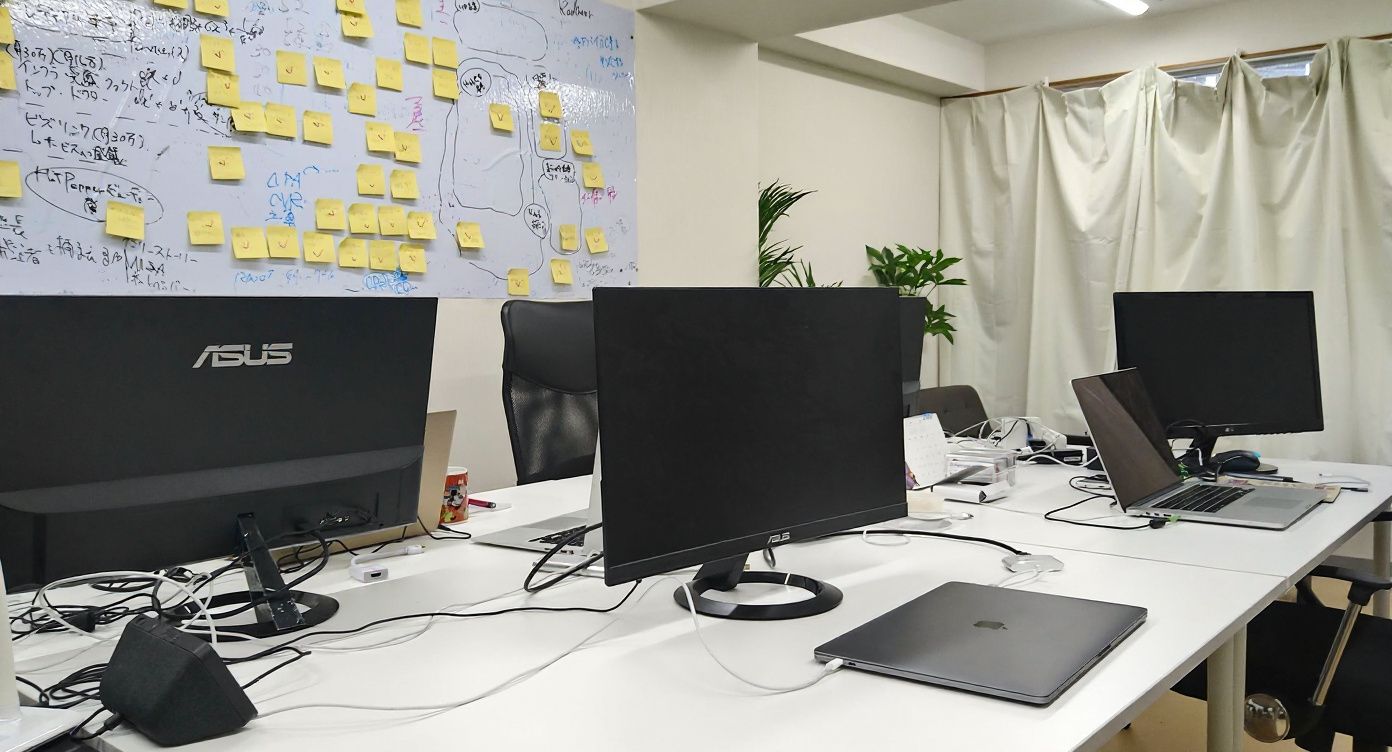
See our own work.
See our work through the services and screens we've published.
Our public service
Our AI SaaS comparison service07 / 09
Pricing and terms.
PoC (Proof of Concept)
From ¥1,000,000
Validate effectiveness with small-scale data. A proof-of-concept plan to assess fine-tuning potential.
Standard
From ¥3,000,000
Full-scale fine-tuning. End-to-end support from data preparation through model building and evaluation.
Enterprise
From ¥8,000,000
Large-scale data and multi-model support. From on-premise GPU setup to RLHF for advanced requirements.
Monthly Operations & Retraining
From ¥200,000/mo
Ongoing model operations, monitoring, and periodic retraining support post-deployment.
Compare plans side by side
Compare by cost and what is included. On a phone, scroll sideways.
| Item | PoC (Proof of Concept) | Standard | Enterprise | Monthly Operations & Retraining |
|---|---|---|---|---|
| Price | From ¥1,000,000 | From ¥3,000,000 | From ¥8,000,000 | From ¥200,000/mo |
| What is included & terms | Validate effectiveness with small-scale data. A proof-of-concept plan to assess fine-tuning potential.
| Full-scale fine-tuning. End-to-end support from data preparation through model building and evaluation.
| Large-scale data and multi-model support. From on-premise GPU setup to RLHF for advanced requirements.
| Ongoing model operations, monitoring, and periodic retraining support post-deployment.
|
09 / 09
Before you get in touch.
What can I consult you about?
You can consult us about: Data Preparation & Cleansing, Model Selection & Training, Evaluation & Tuning, Deployment & Operations.
What are your pricing plans?
PoC (Proof of Concept): From ¥1,000,000. Standard: From ¥3,000,000. Enterprise: From ¥8,000,000. Monthly Operations & Retraining: From ¥200,000/mo.
How does the engagement work?
We proceed in this order: Requirements & Data Assessment → Data Preparation & Preprocessing → Model Training & Evaluation → Deployment & Continuous Improvement.
Inquire about AI Fine-Tuning Support
Tell us about your challenges and goals.
Inquire about AI Fine-Tuning Support
Read details on services and pricing
What is included
Data Preparation & Cleansing
We collect, organize, and preprocess the data needed for training. Since data quality directly determines model accuracy, our specialist team performs thorough cleansing.
Model Selection & Training
We select the optimal base model for your business requirements and perform fine-tuning with prepared data. We handle everything from GPU infrastructure setup to hyperparameter optimization.
Evaluation & Tuning
We evaluate fine-tuned models from multiple angles. We verify accuracy, speed, and safety, and readjust parameters as needed.
Deployment & Operations
We deploy models to production environments and establish stable operational frameworks. We also support monitoring and continuous retraining to maintain accuracy.
How we work, in detail
Requirements & Data Assessment
We interview you about business requirements and assess available data volume and quality. We propose the optimal fine-tuning approach and model.
Data Preparation & Preprocessing
We collect, cleanse, and annotate training data. We build high-quality datasets to maximize training success rates.
Model Training & Evaluation
We fine-tune the base model and evaluate accuracy, speed, and safety from multiple angles. Parameters are readjusted as needed.
Deployment & Continuous Improvement
We deploy to production and establish operational frameworks. Through monitoring and periodic retraining, we continuously maintain and improve model accuracy.
Pricing & plan details
PoC (Proof of Concept): From ¥1,000,000
Validate effectiveness with small-scale data. A proof-of-concept plan to assess fine-tuning potential.
- Requirements interview
- Sample data training
- Accuracy evaluation report
- Full implementation decision support
Standard: From ¥3,000,000
Full-scale fine-tuning. End-to-end support from data preparation through model building and evaluation.
- Data Preparation & Cleansing
- Model Selection & Training
- Benchmark evaluation
- API development and system integration
- Deployment support
Enterprise: From ¥8,000,000
Large-scale data and multi-model support. From on-premise GPU setup to RLHF for advanced requirements.
- Large-scale data support
- Multi-model comparison
- RLHF implementation
- GPU environment setup
- Security design
- Dedicated team assignment
Monthly Operations & Retraining: From ¥200,000/mo
Ongoing model operations, monitoring, and periodic retraining support post-deployment.
- Model monitoring
- Accuracy degradation detection
- Periodic retraining
- Additional data support
- Reporting